Executive Certificate Identifying and Responding to Rabbit Fever (Francisella tularensis) Exposure Risks Certification
Course about Identifying and Responding to Rabbit Fever (Francisella tularensis) Exposure Risks
4.4/5
|96 reviews
|418 students enrolled
What you'll learn
Skills Gained
Course Overview
Identifying and Responding to Rabbit Fever (Francisella tularensis) Exposure Risks Course OverviewKey Benefits
Comprehensive, industry-recognized certification that enhances your professional credentials
Self-paced online learning with 24/7 access to course materials for maximum flexibility
Practical knowledge and skills that can be immediately applied in your workplace
Prerequisites
Who Should Attend
Learning Resources
Study Materials
This programme includes comprehensive study materials designed to support your learning journey and offers maximum flexibility, allowing you to study at your own pace and at a time that suits you best.
You will have access to online podcasts with expert audio commentary.
In addition, you'll benefit from student support via automatic live chat.
Assessment Methods
Assessments for the programme are conducted online through multiple-choice questions that are carefully designed to evaluate your understanding of the course content.
These assessments are time-bound, encouraging learners to think critically and manage their time effectively while demonstrating their knowledge in a structured and efficient manner.
What Our Students Say
Li Wei 🇨🇳
Wildlife Epidemiologist
"This course provided me with the knowledge to identify potential Francisella tularensis exposure risks in my fieldwork with rabbits, and I'm now better equipped to respond to outbreaks in rural China. The module on laboratory diagnosis was particularly helpful in improving my skills."
Dr. Sophia Patel 🇬🇧
Public Health Specialist
"The course on Identifying and Responding to Rabbit Fever exposure risks gave me a deeper understanding of the epidemiology of tularemia and how to develop effective surveillance strategies to prevent outbreaks in the UK, which is essential for my work in public health."
Ana Moreno 🇪🇸
Veterinary Nurse
"I found the section on clinical manifestations of tularemia in animals to be particularly informative, and I'm now more confident in my ability to recognize and respond to potential Francisella tularensis exposure risks in the veterinary clinic where I work in Spain."
Kaito Nakamura 🇯🇵
Environmental Health Officer
"The course provided me with practical guidance on how to assess and mitigate environmental risks associated with Francisella tularensis, which is essential for my work in preventing outbreaks in Japan, particularly in areas with high rabbit populations."
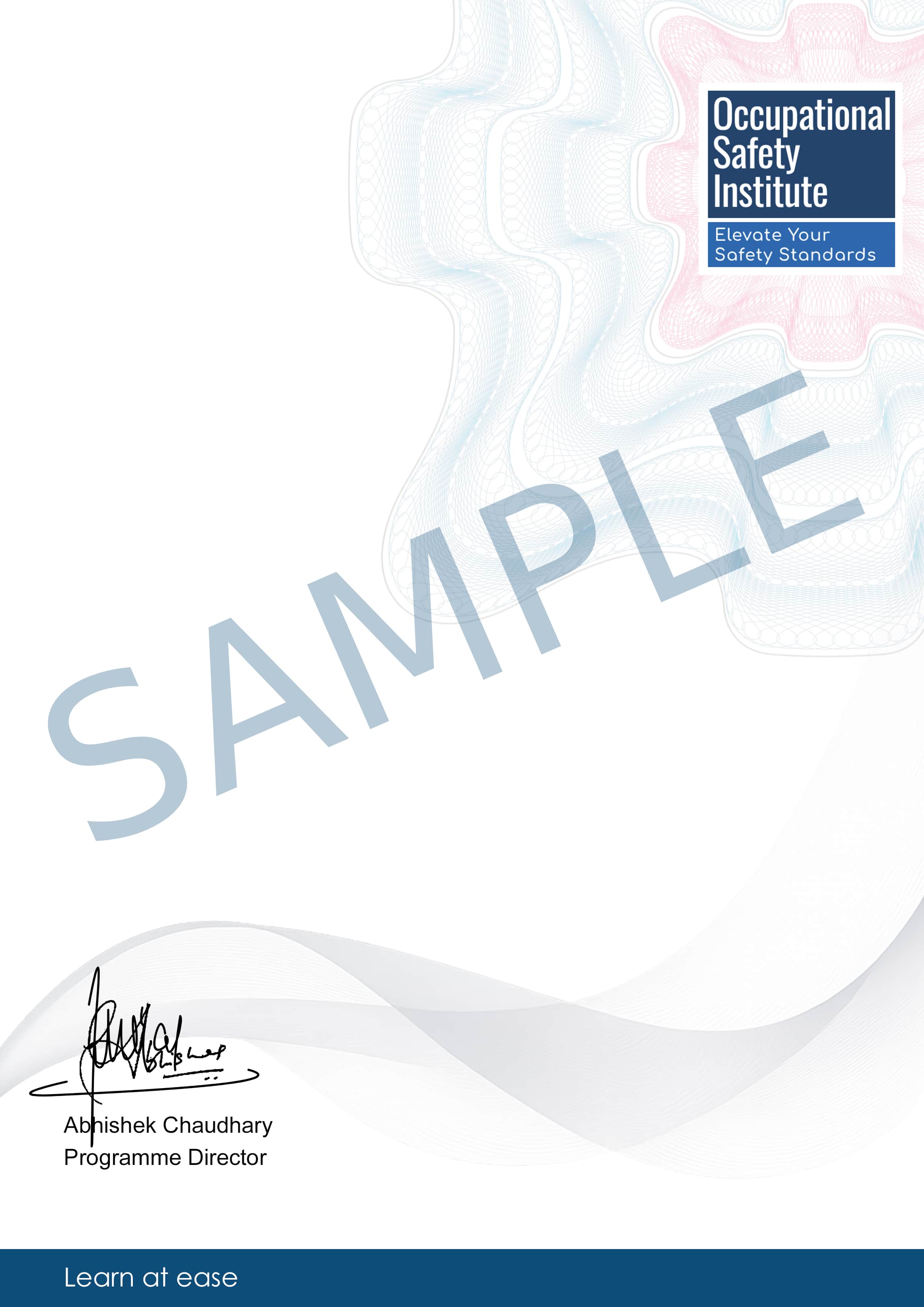
Sample Certificate
Upon successful completion of this course, you will receive a certificate similar to the one shown below:
You might also be interested in
Health and Safety in Software Development: Mitigating Risks of Impaired Concentration in Java Programming
This course focuses on health and safety in software develo…
Advanced 潮吹き 成分 Exposure Prevention and Health Protection Strategies
Course about Advanced 潮吹き 成分 Exposure Prevention and Health…
Safety in Fashion Trends: Best Practices for Mitigating Risks in Fashion Design and Manufacturing
This course provides a comprehensive overview of safety bes…
Effective wem gehört cams Management: Identifying and Mitigating Health and Safety Hazards
This course provides a comprehensive understanding of effec…
Disclaimer: This certificate is not intended to replace or serve as an equivalent to obtaining a formal degree or diploma. This programme is structured for professional enrichment and is offered independently of any formal accreditation framework.