Undergraduate Certificate is trns allowed in muslim countries: Navigating Cultural and Regulatory Requirements for Health and Safety Professionals Certification
Course about is trns allowed in muslim countries: Navigating Cultural and Regulatory Requirements for Health and Safety Professionals
4.8/5
|217 reviews
|976 students enrolled
What you'll learn
Skills Gained
Course Overview
is trns allowed in muslim countries: Navigating Cultural and Regulatory Requirements for Health and Safety Professionals Course OverviewKey Benefits
Comprehensive, industry-recognized certification that enhances your professional credentials
Self-paced online learning with 24/7 access to course materials for maximum flexibility
Practical knowledge and skills that can be immediately applied in your workplace
Prerequisites
Who Should Attend
Learning Resources
Study Materials
This programme includes comprehensive study materials designed to support your learning journey and offers maximum flexibility, allowing you to study at your own pace and at a time that suits you best.
You will have access to online podcasts with expert audio commentary.
In addition, you'll benefit from student support via automatic live chat.
Assessment Methods
Assessments for the programme are conducted online through multiple-choice questions that are carefully designed to evaluate your understanding of the course content.
These assessments are time-bound, encouraging learners to think critically and manage their time effectively while demonstrating their knowledge in a structured and efficient manner.
What Our Students Say
Amira Hassan 🇸🇦
Health and Safety Manager
"This course helped me understand the nuances of Islamic law and cultural sensitivities in Muslim countries, enabling me to develop more effective health and safety protocols for our company's operations in the Middle East. I can now confidently navigate the regulatory requirements for TRNS in countries like Saudi Arabia and Egypt."
Kamran Khan 🇵🇰
Regulatory Compliance Officer
"The course provided me with in-depth knowledge of the cultural and regulatory landscape in Muslim countries, which has been instrumental in ensuring our company's compliance with local laws and regulations regarding TRNS. I can now better advise our teams on the ground in Pakistan and other Muslim-majority countries."
Fatima Zahra 🇲🇦
Environmental Health Specialist
"I appreciated the course's focus on the specific challenges of implementing health and safety protocols in Muslim countries, particularly with regards to TRNS. The course material and case studies helped me develop a deeper understanding of the complex interplay between cultural, regulatory, and environmental factors in countries like Morocco."
Mohammed Al-Shammari 🇰🇼
Occupational Health and Safety Consultant
"The course offered valuable insights into the regulatory frameworks and cultural considerations that shape health and safety practices in Muslim countries, including the allowances and restrictions on TRNS. I can now provide more informed guidance to my clients in Kuwait and other Gulf Cooperation Council countries."
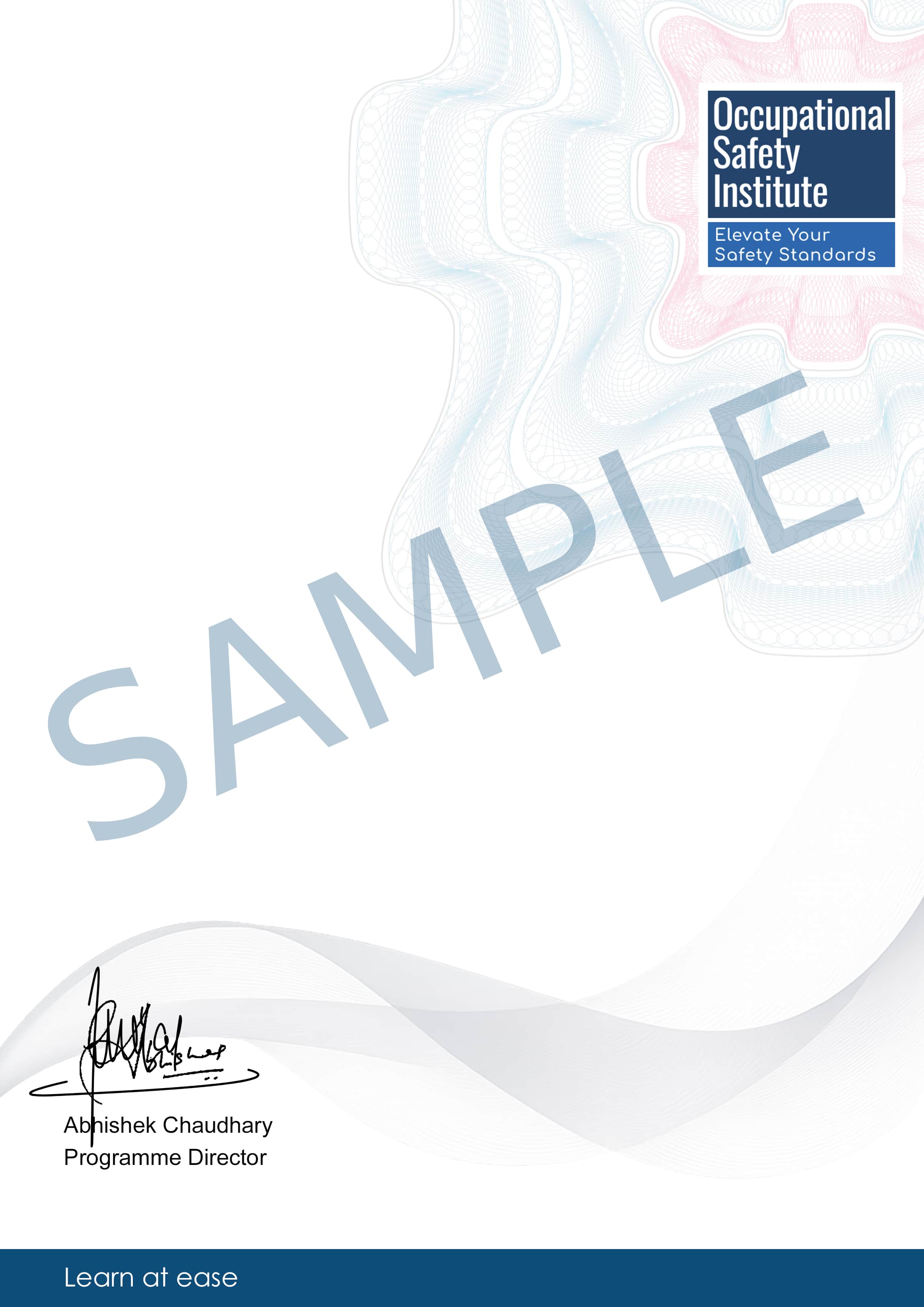
Sample Certificate
Upon successful completion of this course, you will receive a certificate similar to the one shown below:
You might also be interested in
Assessing and Mitigating Health Hazards Associated with 福山 天気 Climate Patterns
Course about Assessing and Mitigating Health Hazards Associ…
Workplace Safety Training for Social Care Staff
This course offers essential workplace safety training for …
Fire Safety Equipment Maintenance and Inspection
This course on Fire Safety Equipment Maintenance and Inspec…
便器の尿石を取る方法 Best Practices: A Health and Safety Training Course
This course provides a comprehensive overview of best pract…
Disclaimer: This certificate is not intended to replace or serve as an equivalent to obtaining a formal degree or diploma. This programme is structured for professional enrichment and is offered independently of any formal accreditation framework.