Module 1: Introduction to Vitamin A Deficiency
This module provides an overview of Vitamin A deficiency, its causes, and consequences. Participants will learn about the importance of Vitamin A for health and the risk factors for deficiency.
This course on Vitamin A Deficiency Prevention and Health Promotion Strategies is designed for healthcare professionals, nutritionists, and public health workers. It provides a comprehensive understanding of Vitamin A deficiency, its causes, and prevention strategies. The course is unique in its approach, focusing on practical, real-world applications. Participants will benefit from enhanced knowledge and skills to prevent Vitamin A deficiency and promote health in their communities.
4.5/5
|128 reviews
|642 students enrolled
Comprehensive, industry-recognized certification that enhances your professional credentials
Self-paced online learning with 24/7 access to course materials for maximum flexibility
Practical knowledge and skills that can be immediately applied in your workplace
This module provides an overview of Vitamin A deficiency, its causes, and consequences. Participants will learn about the importance of Vitamin A for health and the risk factors for deficiency.
This module focuses on prevention strategies for Vitamin A deficiency, including dietary approaches, supplementation, and fortification. Participants will learn about the effectiveness of different prevention strategies and how to implement them.
This practical module equips you with strategies and techniques to proactively prevent workplace injuries. You'll learn to implement comprehensive safety programs that address both physical and organizational factors.
Effective injury prevention programs deliver an average return on investment of $4-6 for every $1 spent, making them both a safety and financial imperative.
This module provides an overview of health promotion programs for Vitamin A deficiency prevention, including community-based programs, education, and communication strategies. Participants will learn about the importance of community involvement and participation in health promotion programs.
This practical module equips you with strategies and techniques to proactively prevent workplace injuries. You'll learn to implement comprehensive safety programs that address both physical and organizational factors.
Effective injury prevention programs deliver an average return on investment of $4-6 for every $1 spent, making them both a safety and financial imperative.
This module focuses on evaluating the effectiveness of Vitamin A deficiency prevention programs, including monitoring, evaluation, and research methods. Participants will learn about the importance of evaluation and how to use data to improve program effectiveness.
This practical module equips you with strategies and techniques to proactively prevent workplace injuries. You'll learn to implement comprehensive safety programs that address both physical and organizational factors.
Effective injury prevention programs deliver an average return on investment of $4-6 for every $1 spent, making them both a safety and financial imperative.
This module provides an overview of policy and planning for Vitamin A deficiency prevention, including policy development, planning, and implementation. Participants will learn about the importance of policy and planning in preventing Vitamin A deficiency.
This practical module equips you with strategies and techniques to proactively prevent workplace injuries. You'll learn to implement comprehensive safety programs that address both physical and organizational factors.
Effective injury prevention programs deliver an average return on investment of $4-6 for every $1 spent, making them both a safety and financial imperative.
This module focuses on collaboration and communication for Vitamin A deficiency prevention, including working with healthcare teams, communities, and stakeholders. Participants will learn about the importance of collaboration and communication in preventing Vitamin A deficiency.
This practical module equips you with strategies and techniques to proactively prevent workplace injuries. You'll learn to implement comprehensive safety programs that address both physical and organizational factors.
Effective injury prevention programs deliver an average return on investment of $4-6 for every $1 spent, making them both a safety and financial imperative.
This programme includes comprehensive study materials designed to support your learning journey and offers maximum flexibility, allowing you to study at your own pace and at a time that suits you best.
You will have access to online podcasts with expert audio commentary.
In addition, you'll benefit from student support via automatic live chat.
Assessments for the programme are conducted online through multiple-choice questions that are carefully designed to evaluate your understanding of the course content.
These assessments are time-bound, encouraging learners to think critically and manage their time effectively while demonstrating their knowledge in a structured and efficient manner.
The demand for professionals with expertise in Vitamin A deficiency prevention is increasing, driven by the need to address this significant public health problem. This course will provide participants with the knowledge and skills required to take on leadership roles in health promotion and disease prevention. Career opportunities include working in government agencies, non-governmental organizations, healthcare institutions, and private industry.
Career progression opportunities include moving into senior roles, such as program managers, policy advisors, or research leaders. Participants will also have opportunities for professional development, including attending conferences, workshops, and training programs. The field of Vitamin A deficiency prevention is constantly evolving, with new research and technologies emerging regularly.
Responsible for managing Vitamin A deficiency prevention programs, including planning, implementation, and evaluation
Provides policy advice on nutrition-related issues, including Vitamin A deficiency prevention
Conducts research on public health issues, including Vitamin A deficiency prevention
In addition to these career opportunities, participants will also have access to networking opportunities, professional certifications, and further education paths. They will be recognized as experts in Vitamin A deficiency prevention and will have opportunities to publish their research and present at conferences.
Public Health Nutritionist
"This course on Vitamin A Deficiency Prevention and Health Promotion Strategies has equipped me with the knowledge and skills to design effective fortification programs and promote breastfed infants' vitamin A intake in my community, significantly reducing the prevalence of night blindness among children."
Healthcare Administrator
"The course's focus on practical, real-world applications has enabled me to develop targeted interventions to prevent vitamin A deficiency among marginalized populations, and I'm now confident in my ability to assess and address the nutritional needs of vulnerable groups."
Community Health Worker
"I've gained a deeper understanding of the causes and consequences of vitamin A deficiency, and the course has provided me with the tools to educate families on the importance of diverse diets and supplementation, leading to improved health outcomes in my community."
Pediatrician
"The course's emphasis on prevention strategies has allowed me to identify and address vitamin A deficiency early on, and I've seen a significant reduction in the number of children presenting with xerophthalmia and other vitamin A deficiency-related conditions in my clinic."
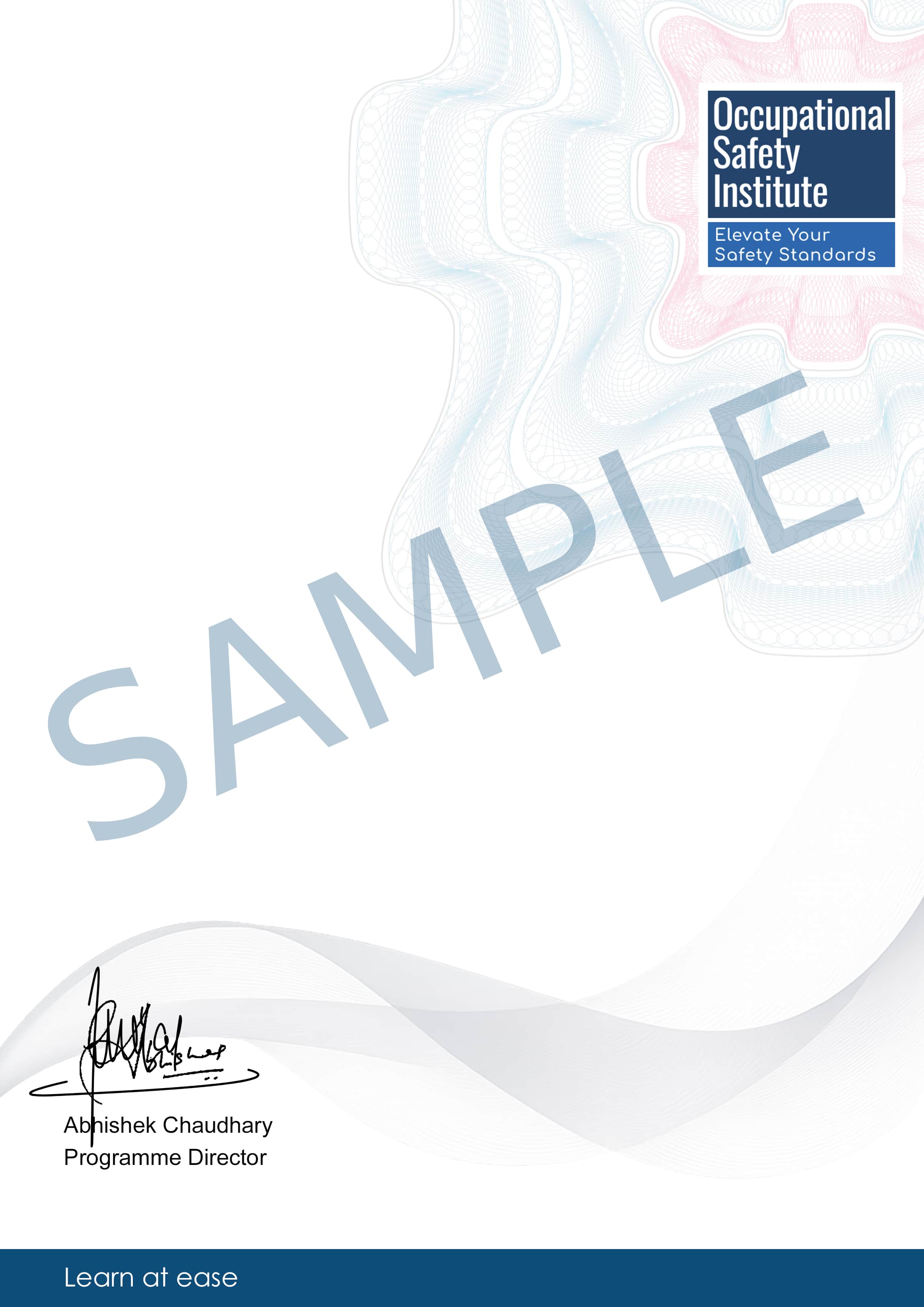
Upon successful completion of this course, you will receive a certificate similar to the one shown below:
No specific prior qualifications are required. However, basic literacy and numeracy skills are essential for successful completion of the course.
The course is self-paced and flexible. Most learners complete it within 1 to 2 months by dedicating 4 to 6 hours per week.
This course is not accredited by a recognised awarding body and is not regulated by an official institution. It is designed for personal and professional development and is not intended to replace or serve as an equivalent to a formal degree or diploma.
This fully online programme includes comprehensive study materials and a range of support options to enhance your learning experience: - Online quizzes (multiple choice questions) - Audio podcasts (expert commentary) - Live student support via chat The course offers maximum flexibility, allowing you to study at your own pace, on your own schedule.
Yes, the course is delivered entirely online with 24/7 access to learning materials. You can study at your convenience from any device with an internet connection.
Managing Inocula-Related Hazards in the Workplace: A Health and Safety Course
This course provides a comprehensive overview of managing i…
Ergonomic Principles for Injury Prevention in Manual Handling
This course focuses on Ergonomic Principles for Injury Prev…
Substance Abuse Relapse Prevention
This course on Substance Abuse Relapse Prevention is design…
What Does Compliance Mean in Health and Safety: Understanding Regulations and Laws
Course about What Does Compliance Mean in Health and Safety…
Disclaimer: This certificate is not intended to replace or serve as an equivalent to obtaining a formal degree or diploma. This programme is structured for professional enrichment and is offered independently of any formal accreditation framework.